How Composite Strapping Reduces Cargo Damage in Long-Haul Transportation

In the intricate dance of global commerce, long-haul transportation is the marathon runner. Goods travel thousands of miles by ship, train, and truck, facing a gauntlet of challenges from shifting loads and extreme temperatures to constant vibration and sudden impacts. For logistics managers and business owners, cargo damage is not just an inconvenience; it is a direct hit to the bottom line, leading to financial losses, unhappy customers, and reputational harm. The solution to this pervasive problem often lies in one of the most fundamental components of the supply chain: strapping. While traditional materials like steel and polypropylene have been the go-to for decades, a superior alternative has emerged. Composite strapping is revolutionizing how we secure cargo, offering a powerful shield against the rigors of long-distance travel.
Understanding the Enemy: Common Causes of Cargo Damage
To appreciate the value of composite strapping, we must first understand the forces it is designed to combat. During long-haul transit, cargo is subjected to:
Dynamic Forces: This includes the constant vibration from the road or rails, sudden braking, and sharp turns. These forces can cause boxes and pallets to gradually shift, lean, and eventually collapse if not properly restrained.
Compression: When goods are stacked high in a container, the weight from above can crush items at the bottom. This is especially true for lighter, more fragile products.
Impact: The loading and unloading process, often involving forklifts and cranes, is a common source of damage. A poorly secured load is vulnerable to shifting and falling during these transfers.
Environmental Factors: Changes in humidity and temperature can cause traditional strapping materials to expand, contract, weaken, or become brittle, compromising their holding strength.
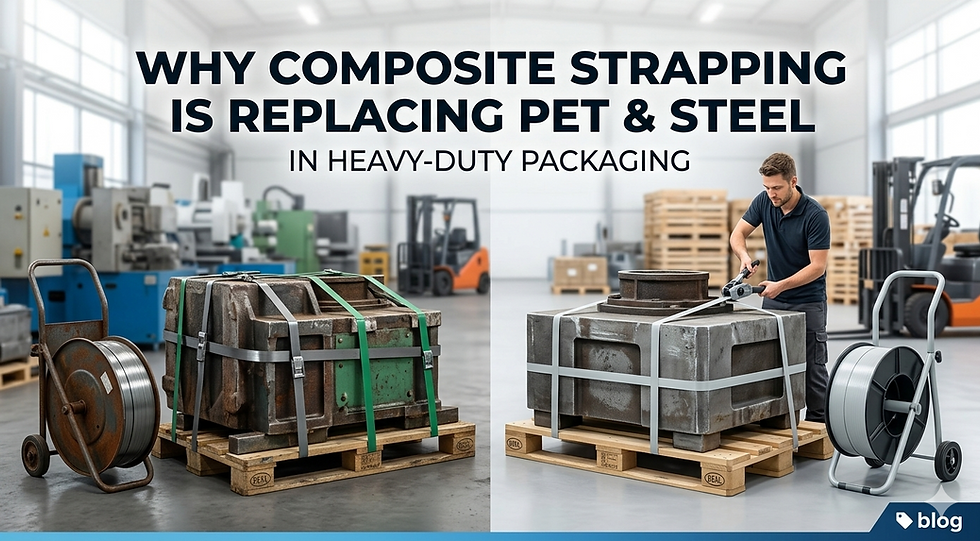
Traditional strapping materials often fall short in this demanding environment. Steel strapping, while strong, is rigid and can snap under sudden stress or corrode. Polypropylene strapping is affordable but can stretch excessively and lose tension, especially in temperature fluctuations.
What is Composite Strapping?
Composite strapping is an advanced material engineered to combine the best properties of its predecessors while eliminating their weaknesses. Primarily made from a scientifically formulated blend of polyester and other synthetic materials, it is designed for high performance. It is not a simple plastic tape; it is a high-tech cord that offers a unique balance of strength, flexibility, and durability. Its key characteristics make it exceptionally well-suited for the long haul.
How Composite Strapping Creates a Superior Defense
The damage-reducing power of composite strapping stems from its core physical properties and how they interact with the challenges of transit.
1. Superior Tensile Strength and Elongation
This is the star feature of composite strapping. It possesses very high tensile strength, meaning it can resist a significant amount of force before breaking. More importantly, it has a controlled degree of elongation or stretch. Unlike polypropylene, which can stretch too much and become loose, and steel, which has almost no stretch, composite strapping elongates just enough. When a load shifts or is subjected to sudden force, the strapping stretches minutely, absorbing the energy like a shock absorber. This prevents the "rebound" effect seen with steel, which can snap back dangerously, and stops the load from fighting against an unyielding restraint. This elastic recovery helps the strapping maintain tension and keep the load tightly bound.
2. Consistent Tension Retention
A strap is only as good as its ability to stay tight. Composite strapping is renowned for its excellent tension retention. Once applied with the correct tools, it resists loosening over time. This is critical for long-haul journeys where temperature changes can cause other materials to expand and contract, leading to slack. By maintaining consistent pressure on the load, composite strapping prevents the small movements that, over thousands of miles, lead to major shifts, product abrasion, and toppled pallets.
3. Resistance to Elements and Abrasion
Long-haul cargo can move from a humid port to a freezing cold storage facility to a dry warehouse. Composite strapping is inherently resistant to moisture, corrosion, and most chemicals. It will not rust like steel or degrade quickly when exposed to the elements. Furthermore, its tough outer surface is highly resistant to abrasion. As the cargo vibrates, straps can rub against the edges of boxes and pallets. Composite strapping withstands this friction far better than many alternatives, preventing it from fraying or breaking at contact points.
4. Safety and Lightweight Nature
Damaged cargo is one risk; injured workers are another. Steel strapping, when cut or when it breaks, can have sharp edges that whip back, posing a serious safety hazard. Composite strapping is much safer to handle. It is lightweight, making it easier for workers to carry and apply, reducing fatigue and the risk of musculoskeletal injury. Its non-metallic nature also means it is safe for use with sensitive electronic equipment, as it does not conduct electricity or interfere with signals.
Real-World Applications: Where Composite Strapping Shines
The benefits of composite strapping translate directly into reduced damage across numerous industries:
Logistics and Parcel Delivery: For securing pallets of mixed goods, composite strapping ensures stability through multiple handling points and transport modes.
Building and Construction: Bundles of lumber, PVC pipes, and other building materials are held firmly, preventing warping, scratching, and breakage.
Paper and Printing: Heavy, dense rolls of paper or finished printed materials require a strap that will not cut into the product but will prevent unrolling and damage. The smooth surface and high strength of composite strapping are ideal.
Agriculture: Bales of goods, bags of feed, and other agricultural products benefit from strapping that can withstand outdoor storage and handling.
Choosing the Right Partner: The Role of a Composite Strapping Manufacturer
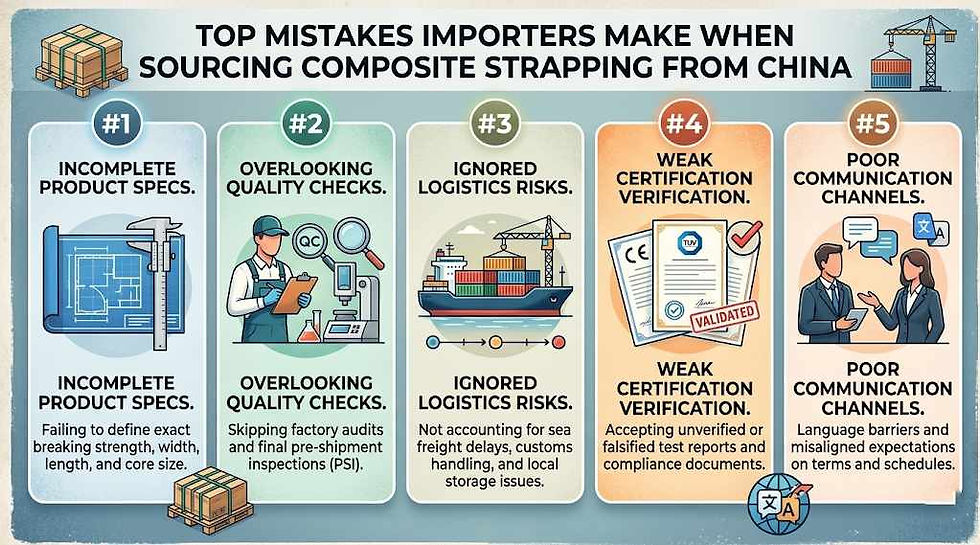
The quality of composite strapping is not universal. To ensure you are getting a product that delivers on all these promises, it is essential to partner with a reputable supplier. The engineering, material purity, and manufacturing consistency are what separate high-performance strapping from an inferior imitation. This is where the global supply chain offers a significant advantage. Sourcing from a leading composite strapping manufacturer in china provides access to state-of-the-art production facilities and advanced material science. A top tier Chinese manufacturer typically invests heavily in research and development, producing strapping that meets rigorous international standards for strength and safety. They can also offer cost-effective solutions without compromising on quality, making advanced cargo protection accessible for businesses of all sizes. When evaluating a supplier, look for a proven track record, quality certifications, and a willingness to provide samples for testing.
Conclusion: An Investment in Arrival
In the high-stakes world of long-haul transportation, preventing damage is far more cost-effective than dealing with its consequences. Composite strapping is not just a packaging material; it is a critical insurance policy for your goods in transit. Its unique combination of high strength, shock-absorbing elongation, and environmental resistance directly addresses the primary causes of cargo failure. By making the switch from traditional materials to composite strapping, businesses can significantly reduce their loss and damage rates, enhance operational safety, and ensure their products arrive in the same condition they left the warehouse. In the marathon of global logistics, it is the small details that win the race, and securing your load with the right strapping is a detail that pays for itself upon every successful delivery.

Comments