Composite Strapping vs. Steel: Which one is better?

Securing cargo is one of the most critical aspects of logistics and packaging. Whether goods are being shipped across continents or stored in warehouses, strapping ensures stability, safety, and protection against damage. For decades, steel strapping was the default choice for heavy-duty applications. However, composite strapping has emerged as a strong competitor, offering a blend of strength, safety, and cost efficiency. This article explores the differences between composite and steel strapping, analyzing their strengths, weaknesses, and suitability for different industries.
Understanding Steel Strapping
Steel strapping is made from cold-rolled steel and is known for its high tensile strength. It is often used in industries where loads are extremely heavy or sharp-edged, such as construction materials, metals, and large machinery.
Advantages of Steel Strapping:
Exceptional strength for heavy loads.
Resistant to stretching under tension.
Suitable for sharp-edged products like steel coils or bricks.
Disadvantages of Steel Strapping:
Prone to rust and corrosion.
Dangerous to handle, often causing injuries when cut.
Requires specialized tools for application and removal.
Higher long-term costs due to maintenance and replacements.
Understanding Composite Strapping
Composite strapping is made from polyester fibers coated with polypropylene. It is often referred to as “synthetic steel” because it combines strength with flexibility. Composite strapping is widely used across industries such as logistics, timber, chemicals, and consumer goods.
Advantages of Composite Strapping:
High strength comparable to steel strapping.
Lightweight and easy to handle.
Resistant to weather, rust, and corrosion.
Safer to cut and remove, reducing workplace injuries.
Can be retensioned during transit.
Cost-efficient in the long run due to durability.
Disadvantages of Composite Strapping:
Slightly less tensile strength compared to steel.
It may not be suitable for products with extremely sharp edges without protective corner guards.
Higher initial purchase cost compared to steel strapping.
Composite vs. Steel Strapping: Key Comparison
Feature | Steel Strapping | Composite Strapping |
Strength | Superior tensile strength for heavy loads | Comparable strength, suitable for most loads |
Safety | Risk of injury when cutting | Safer to handle and cut |
Durability | Prone to rust and corrosion | Resistant to weather and corrosion |
Flexibility | Rigid, cannot be retracted | Flexible, can be retensioned |
Cost Efficiency | Higher long-term costs | Lower long-term costs |
Applications | Metals, construction, and sharp-edged goods | Logistics, timber, chemicals, consumer goods |
Workplace Safety Considerations
One of the most significant reasons companies are shifting from steel to composite strapping is workplace safety. Steel strapping can cause severe injuries when cut, as the sharp edges recoil with force. A case study in Australia highlighted how a major hardware retailer replaced steel strapping with composite alternatives after multiple injuries occurred in distribution centers. Composite strapping eliminates this risk, making it a safer option for workers.
Cost Efficiency and Sustainability
While steel strapping may appear cheaper initially, it incurs higher costs over time due to rust, corrosion, and frequent replacements. Composite strapping, on the other hand, is durable and resistant to environmental factors, reducing the need for constant maintenance. This makes composite strapping more sustainable and cost-effective in the long run.
Industry Applications
Steel Strapping: Best suited for industries dealing with extremely heavy or sharp-edged materials, such as steel coils, bricks, and large machinery.
Composite Strapping: Ideal for industries requiring flexibility, safety, and durability, such as timber, chemicals, logistics, and consumer goods packaging.
Why Composite Strapping Is Gaining Popularity
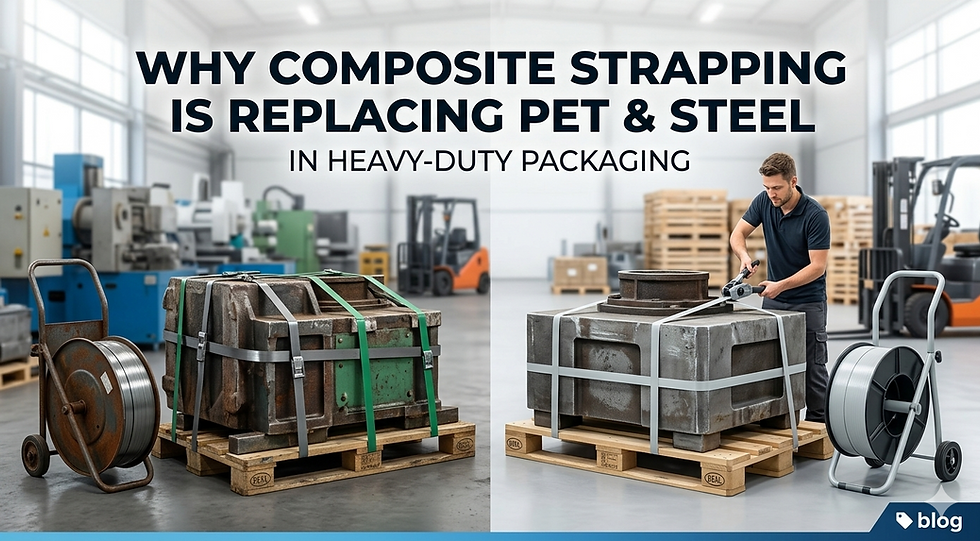
Composite strapping is increasingly being adopted worldwide because it balances strength with safety and efficiency. Many companies now prefer composite strapping for its ability to withstand harsh conditions without rusting, its ease of use, and its reduced risk of injury. Moreover, composite strapping can be applied with simple tools, making it more accessible for small and medium-sized businesses.
Choosing the Right Supplier
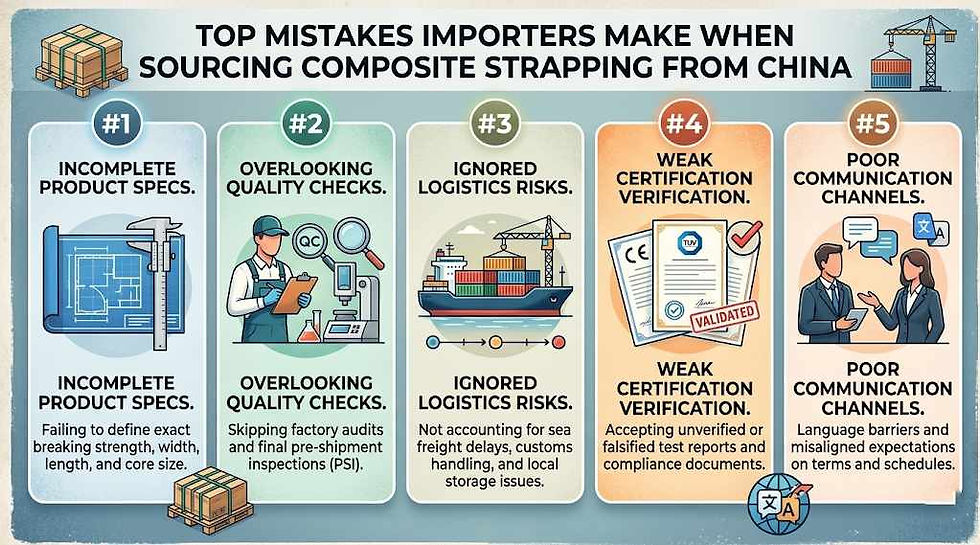
When selecting strapping solutions, choosing a reliable supplier is crucial. For businesses looking to source high-quality composite strapping, working with a composite strapping manufacturer in China can be advantageous. China is home to several leading manufacturers that provide durable, cost-effective, and internationally certified composite strapping solutions. Partnering with such suppliers ensures consistent quality and competitive pricing, especially for companies managing large-scale logistics operations.
Final Verdict: Which One Is Better?
The answer depends on the application. Steel strapping remains unmatched for extremely heavy-duty loads and sharp-edged materials. However, for most industries, composite strapping offers a better balance of strength, safety, durability, and cost efficiency. Its resistance to weather, ease of handling, and long-term savings make it the preferred choice for modern logistics and packaging.
Conclusion
Both composite and steel strapping have their place in industrial packaging. Steel strapping is still necessary for specific heavy-duty applications, but composite strapping is proving to be the more intelligent choice for most businesses. With growing emphasis on workplace safety, sustainability, and cost efficiency, composite strapping is becoming the industry standard. Companies seeking reliable solutions should consider sourcing from a trusted composite strapping manufacturer in China to ensure quality and affordability.

Comments